
Stop Dreading the Gala
Listen to Podcast
Like podcasts? Find our full archive here or anywhere you listen to podcasts: search Community IT Innovators Nonprofit Technology Topics on Apple, Spotify, Google, Stitcher, Pandora, and more. Or ask your smart speaker.
Technology for Nonprofit Fundraiser Events with Justin Goodhew
Carolyn Woodard talks with Justin Goodhew, co-founder and CEO of Trellis, about how nonprofit galas and fundraising events have transformed since COVID, and what it takes to run one that is worth the effort. Justin brings hands-on experience helping nonprofits move from weeks of post-event chaos to a streamlined, integrated workflow that frees staff to focus on what matters most: the donors, the mission, and the follow-up conversations that drive lasting relationships.
The conversation covers the full arc of event fundraising, from pre-planning and technology selection to the post-event follow-up where most nonprofits drop the ball.
Justin’s framework is practical and grounded: the right technology should be invisible on the night of the event, the right people in the room matter more than the size of the room, and integration is not just a technical nice-to-have but the difference between burnout and sustainability.
Key Takeaways
- Galas have become more experiential since COVID, and that is a good thing. Attendees are choosier about which events they attend, but when they show up, they are genuinely invested. Organizations that take advantage of that shift by connecting the event experience to their mission, through mission stops, live demonstrations, or immersive storytelling, see better results.
- Integrate at every level, not just CRM to event software. The most important integrations are the ones that get the right data to the right people at the right time: fundraisers need donor data within 48 hours, finance needs clean reconciliation, and the database administrator should not be rebuilding records manually for two weeks after an event. Moving that reconciliation work to the front of the process, spread over three months of pre-planning, dramatically reduces post-event burnout without actually adding much time.
- Use the three P’s to choose event technology: Procedure, People, then Product. Define what you want to accomplish and how. Identify who is responsible. Only then go looking for a tool. Putting the tool first and choosing the shiniest event software before you have a clear process, is the single most common mistake Justin sees. He calls the alternative “footstepping”: walking through the type of attendee and staff experience you want step by step before you ever open a vendor demo.
- Get the right people in the room before you worry about the size of the room. Apply the 80-20 rule to your past events: 20% of attendees typically drive 80% of revenue. Find out who those people were, how they got there, and how to find more like them. If you can only fill ten seats with the right people, skip the gala and do a dinner. A well-run small event beats a poorly-targeted large one every time.
- The follow-up is where the real ROI lives. Upsells like “donate your bid if you lose” are not just revenue tactics. They identify your most committed donors, the ones you want to call the next morning. The organizations that flip the ROI conversation from frustration to excitement are the ones where the event data flows cleanly into the CRM and the development team can spend the week after the event on relationships, not reconciliation.
Resources
- Trellis — gala and fundraising event software built specifically for Raisers Edge NXT nonprofits
Presenters

Justin Goodhew is the co-founder and CEO of Trellis, a fundraising event platform built specifically for nonprofits using Raiser’s Edge NXT. Based in Kelowna, British Columbia, he founded Trellis in 2017 after co-founding Biznas Innovations Inc., an application development company that built enterprise software for Fortune 100 companies and startups in Kelowna and Silicon Valley. Recognizing that nonprofits were working with outdated, disconnected systems, he set out to build a platform focused on impact rather than just transactions.
Trellis provides an all-in-one solution for galas and fundraising events, handling ticketing, auctions, raffles, donations, and check-in with a direct integration into Raiser’s Edge NXT — eliminating the weeks of manual reconciliation that often follow major events. Justin is also a board member and treasurer of the Association of Fundraising Professionals Okanagan Chapter.
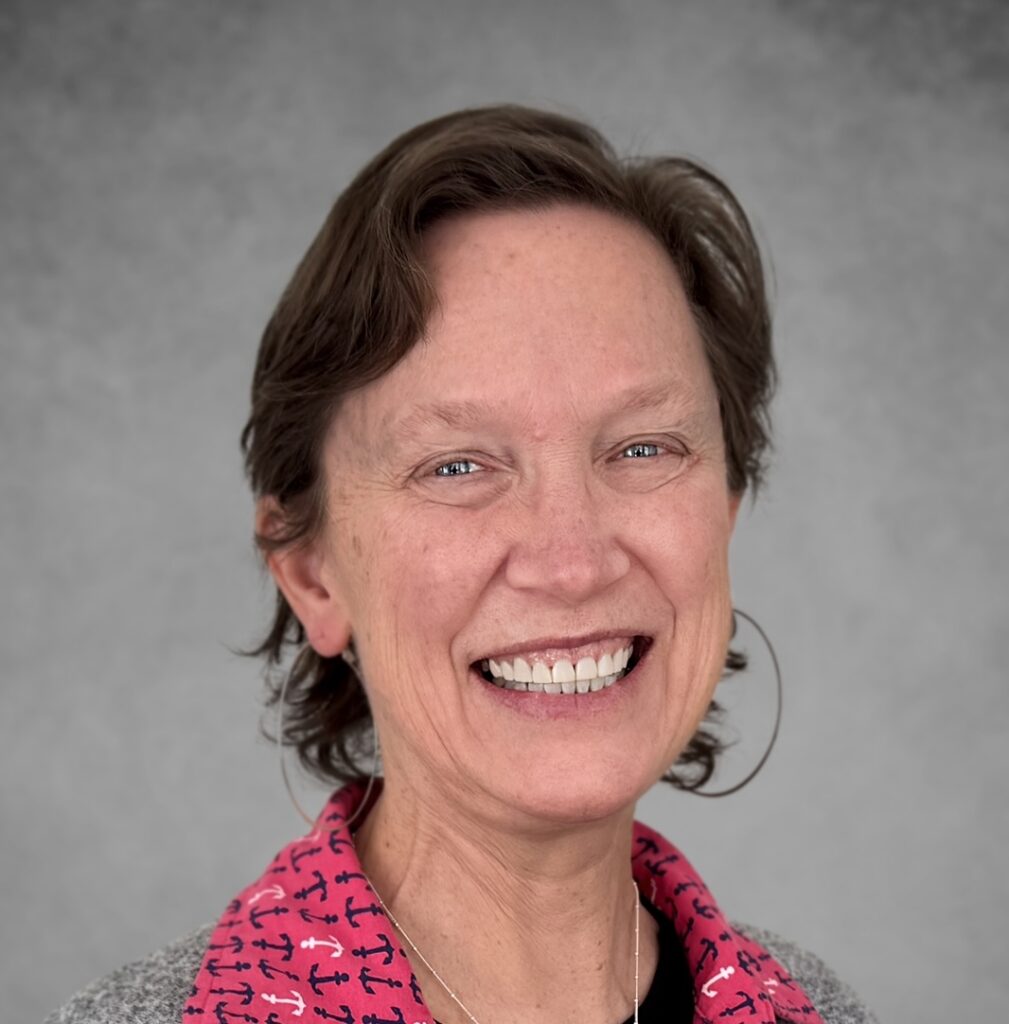
Carolyn Woodard is currently head of Marketing and Outreach at Community IT Innovators. She has served many roles at Community IT, from client to project manager to marketing. With over twenty years of experience in the nonprofit world, including as a nonprofit technology project manager and Director of IT at both large and small organizations, Carolyn knows the frustrations and delights of working with technology professionals, accidental techies, executives, and staff to deliver your organization’s mission and keep your IT infrastructure operating. She has a master’s degree in Nonprofit Management from Johns Hopkins University and received her undergraduate degree in English Literature from Williams College.
She was glad to have this conversation with Justin Goodhew on the technology for nonprofit fundraiser events, and learned a lot about this valuable nonprofit function.
Ready to get strategic about your IT?
Community IT has been serving nonprofits exclusively for twenty-five years. We offer Managed IT support services for nonprofits that want to outsource all or part of their IT support and hosted services. For a fixed monthly fee, we provide unlimited remote and on-site help desk support, proactive network management, and ongoing IT planning from a dedicated team of experts in nonprofit-focused IT. Our clients benefit from our IT Business Managers team who will work with you to plan your IT investments and technology roadmap if you don’t have an in-house IT Director.
Being 100% employee-owned is important to us and our clients. It is an important aspect of our culture as a business serving nonprofits exclusively for 25 years.
We constantly research and evaluate new technology to ensure that you get cutting-edge solutions that are tailored to your organization, using standard industry tech tools that don’t lock you into a single vendor or consultant. And we don’t treat any aspect of nonprofit IT as if it is too complicated for you to understand.
We think your IT vendor should be able to explain everything without jargon or lingo.
If you can’t understand your IT management strategy to your own satisfaction, keep asking your questions until you find an outsourced IT provider who will partner with you for well-managed IT.
More on our Managed Services here. More resources on Cybersecurity here.
If you’re ready to gain peace of mind about your IT support, let’s talk.
Transcript
Carolyn Woodard: Welcome everyone to the Community IT Innovators Technology Topics podcast. I’m Carolyn Woodard, your host. And today I’m really excited to be talking with Justin from Trellis. So, Justin, would you like to introduce yourself?
Justin Goodhew: Hello, everyone. Thanks for the intro, Carolyn. My name’s Justin. I’m the CEO and co-founder at Trellis. I live up in Canada. I have two little kids and two doggos, and I love to be outside when I’m not doing this.
What we do at Trellis is we help charities that run galas and are Raisers Edge customers. So if you’re a Raiser’s Edge NXT customer and you want your event data to actually integrate – you don’t want to do two weeks of reconciliation at the end of your event, you want it to just be automated – then you should come chat with us. We do everything from auctions to tickets to raffles, donations, check-in, and everything in between for your next gala.
Carolyn Woodard: So I have to start out with a caveat that I used to work at nonprofits before I was at Community IT, and I have attended many, many galas, but I have never planned one. So I’m really interested to see how technology improves event quality and fundraising success, and how it takes some of the stress off the staff – because at a lot of nonprofits it’s all hands on deck for the gala.
And before we got started, when we were emailing about doing this episode, we both mentioned COVID and how, for a couple of years there, everything was virtual with various degrees of success.
Justin Goodhew: Yes.
Carolyn Woodard: And then it feels like the gala came roaring back, and now everyone’s having galas and different types of events too. Can you talk a little bit more about that — your experience with it, what galas are like now?
Justin Goodhew: Yeah, so galas now are even more experiential, right? And that’s because I think COVID allowed us to adopt all this great technology.
We can now work from home, we can be remote, we can basically unplug from everyone. I chat with more people over Zoom than in person now, and being in person is like, oh man. So we realize we need that.
And so they’re more experiential – that’s what I’ve seen. That’s great, and we can dig into this because that’s why you give. You give because you get to experience what the cause is doing. It’s this perfect opportunity for people to get more individuals into their cause by allowing them to drink the Kool-Aid, giving them that experience at the event. It doesn’t have to be the rubber chicken dinner.
We’ve seen some great customers do mission stops where there’s different food paired with a different experience that the charity gives around their impact. There are just so many different ways we’ve seen that.
That all stemmed from COVID, right? Because you had to be very creative during COVID. We actually, two weeks when COVID hit, were the ones that did the first stay-at-home gala in our hometown of Kelowna, and we raised $22,000 for the food bank. We just did it over Zoom — hundreds of people in our community on this call.
And then a month later we did it across Canada, which was so exciting. We had Olympians and Canadian artists come on, and I was learning about broadcasting and all this stuff, and raised a couple hundred thousand for food banks that way. That was the start of this whole “formal on top, pajamas on the bottom” era. Now we’re back to maybe something in between. So it’s exciting to see that evolution.
Carolyn Woodard: Are you seeing that there are nonprofits who are making that mind shift around the opportunities – how they can convey their mission through some different, interesting type of experience – versus maybe some nonprofits who are like, great, we can have a gala again, just like we always used to?
Justin Goodhew: Yes, 100%. They’re questioning, okay, we did it this way for this many years, then we stopped for two years and had this weird online one. What do we want to do now?
Because we have an opportunity to reinvent. We have a college on our platform and they have chefs – it’s all about the culinary program. So they had their chefs cook, and attendees could taste all of the amazing things.
And we had a SPCA that brought in the puppies. So when they’re making that fund-a-need ask, you have this cute, adorable puppy in your lap, and you’re like, if you can’t adopt this puppy, it only costs a thousand dollars to get ten puppies adopted. I made that up, but you know – it’s right there.
Keely from the Huntsman Foundation did a great one where you walk in and there’s a program station – it’s for mental health – and there was someone who administered the program talking about the effects and benefits, and what last year’s donations made possible at that stop.
It was just an incredible experience. You got to hang out with your friends, get some really good food, and most importantly, learn about that cause. And then everyone funneled into the main area and they did the fund-a-need right after, because they’d had that experience.
Every cause is different. I can’t answer what it should be for our listeners, but they probably have a good idea based on those examples.
Carolyn Woodard: Those are so great. I mean, how could you resist when you have the puppy right there?
Justin Goodhew: I know, right? I’m a dog lover, so for me, it’s the puppy one. But it doesn’t have to be, right?
People kind of roll their eyes and say, oh, I don’t have puppies or kids or whatever. But the people giving up their evening – they don’t go to as many events as they used to before COVID. The ones they do go to, they really want to be there. So they care.
So why do they care? If you’re not 100% sure, I would start by asking. You probably have a good idea, and that’s where you want to amplify it.
So if the hotel banquet hall isn’t the best place to showcase that impact, don’t do it there.
Technology Integration: From the CRM to the Attendee
Carolyn Woodard: You were talking earlier about that learning curve we all had during COVID, where suddenly you’re broadcasting this nationwide and you’ve never done that before. I think one of the things about the shift to more experiential events is that a lot of staff are probably looking at that thinking, we’ve never had the event at the shelter or the aquarium or wherever. So it’s that extra piece of learning.
I’m wondering how the technology can help with thinking through what this great event could be, and then actually doing it.
Justin Goodhew: Yeah. It’s been a big learning curve supporting all of these events.
What I like to say is: integrate at every level. Don’t just integrate with your CRM – which should be a no-brainer, but most aren’t integrated, which is wild. That’s why we focus on that. But the key is to integrate with the attendee too.
Does the attendee know how to download an app and create a login? Yes, they do, but do they enjoy doing that on their phone all the time? No. Do they know how to get a text message? Yes. Do they know how to click a personalized link in a text message? Yes.
So make sure your technology gives them what they need when they need it. For a fund-a-need, if you’re asking people to pledge on their phones rather than hold up a paddle, let them pledge. Don’t make them create a user account first.
So when I’m looking at technology stacks: less is more, and the more integrated, the better.
And that’s not just the integration we all talk about between event software and CRM – it’s about what does the event software integrate to the fundraiser? Does your team have the data they need the day after the event to go make those asks? Because if you don’t do it within 48 hours, your chance of a donation goes down significantly.
Does the database administrator know what’s going on to get the data in? Does the finance person know how to reconcile?
Because you mentioned it right off the top, Carolyn – it is so sad how many events got canceled because of burnout. It wasn’t even the ROI, really. It was just: we’re too burnt out to even figure out the ROI. It was way too much. So what we’ve seen people do is just integrate into their current systems. Then there is no burnout. It’s yeah, we have to do 10 or 20 minutes extra of reconciliation a day, but that’s it. It’s not two weeks where we have to stop everything, our work halts, we get sick and frustrated, and we dread the next event.
The long answer: it’s all about integration.
Carolyn Woodard: I love that answer because we’ve been talking in nonprofits for decades about those silos and how if this information could only flow into that other part of the team that interacts with the donor, it would all work better.
And for the donor side, they have that seamless experience of the right hand knowing what the left hand is doing. Because I think we’ve all gotten that bizarre generic ask the day after you went to the gala.
Justin Goodhew: Yeah.
Carolyn Woodard: And you’re like, I was literally just there.
Justin Goodhew: Yeah. Oh, yeah. And if you want to dig into those general asks – once you get that data integrated, the fundraisers can say, oh, I can segment based on people that donated a certain amount. I can see which table purchasers brought the biggest donors. I can maybe do some analysis on who those best donors are.
So with the technology, it’s integrating, seeing it, and then acting on it.
And also making sure you’re making the right asks. When you’re looking at what ask to make, it’s not: I need to do a raffle and a silent auction and a live auction and this and that.
It’s: what makes the most money for the ROI? Is it a raffle that brings in $2,000 and you have to bug everyone and disrupt their evening? Or is it focusing on the experience, spending all that volunteer time on making the experience amazing – not getting the $2,000 from the raffle, but then getting everyone in the room to donate $1,000 or more at the fund-a-need, where you keep the full amount because it’s not a 50/50?
It’s focusing on the right pieces and making sure the tech can host that and make it easy.
The Three P’s: Procedure, People, Product
Carolyn Woodard: That all makes a lot of sense. We were talking earlier about how stressful an event can be – when it’s all hands on deck and you’ve got other stuff to do too.
Can you talk a little more about not just the sources of that stress, but combine it with something else we talk about all the time: nonprofits seeing a tool that does a thing and trying to fit themselves into it, versus figuring out their needs first and then finding the tool that matches.
Around galas and events, one need might be: decrease the stress, make it easier for staff to do everything that comes with the gala. Are there best practices around identifying what the organization needs from the fundraiser, and then finding the tool that makes that happen?
Justin Goodhew: Yeah, I love that. I see technology adoption done the right way as really the three P’s. First is the procedure: what do you want to get done, and how detailed can you make that? You need to understand what you can do.
Then you need the right people in place – and we’re not even talking about technology yet.
And then the last piece is the product. So it’s procedures, people, and then product.
The people that come to us know what they want. And then there’s a little bit of, hey, we’ve seen thousands of others do this, and here’s how we do it, so we’ll tweak some things – because not everything in the real world translates neatly into technology, as we all know. But overall, that’s what we see.
In the event planning world it’s called footstepping, if you really think about it. Can you footstep through that experience? When someone gets out of their car and goes to the venue, what’s the experience? Get in their shoes. Then you can ask: if you want them to check in, how do you want them to check in? Should they have already checked in because you emailed them beforehand? Or do you just want them to walk up and check in without worrying about emails?
These are all experiences you can footstep through, and then you can pick the right tool based on what you actually want, instead of being sold something and putting that last P first.
Post-Event Follow-Up and Measuring ROI
Carolyn Woodard: Yeah, that makes sense. I have another question – you talked about integrating at every level. I’m wondering, since I’m not an event planner at a nonprofit, could you share some of the common pitfalls you see the day after?
What do nonprofits often drop the ball on that could make the event more successful, especially in that next-steps piece?
Justin Goodhew: In the next steps – honestly, what we hear is at least multiple days, but usually multiple weeks, to get the reconciliation completed.
That event data is in a silo and needs to be reconciled on the financial side, and then it needs to be brought over and added to the record. It’s manual: okay, Carolyn was here, Carolyn made these three purchases, there’s her record in the CRM, let’s add it. Or it’s making really nice flat files to move over to the CRM. And that’s a lot.
And the people doing this also just were out late Friday night, probably helping the event planner all the way through doing things they don’t normally do. They’re exhausted too. That is the biggest piece.
So if you take all of that work and move it to the front – spread it over three months of pre-planning – where it’s: hey, where do we want these purchasers to go? Fundraisers, you want these types of people in that area of the CRM. Finance, what do you need and when do you need it? You do that planning beforehand.
I’m going to be honest: you’re not saving that much time. You’re just saving so much stress. And you’re freeing up the time after the event to focus on what matters: did you see that new person that came in? They bid on three different things and gave at the fund-a-need. Who is that person? We need to go chat with them. Who invited them? Oh my gosh, this worked great. Talk about all of those pieces.
That’s the biggest change we see in the organizations that really focus on integration.
And it’s also about following up with some of the bigger donors. That’s a great opportunity: hey, Carolyn, you pledged because we didn’t want you to worry about credit cards or putting it on your DAF at the event. We just wanted you to say how much you want to give and then keep enjoying yourself. And now it gives us an excuse to call you, really thank you, get your feedback, and also collect that $10,000 pledge you made.
So that’s the other activity that should be happening after the event. Make sure your technology can handle that.
Carolyn Woodard: And I know one of the things your website talks a lot about is ROI – return on investment. I think for a lot of nonprofits, the reason they don’t do galas anymore – or golf tournaments or whatever it is – is because all of the staff time just wasn’t paying out.
Can you talk a little bit about how you help nonprofits think through both the financial ROI and the organizational ROI – the people and the process? You put all your staff into three months of planning the event, but also three months of planning the reconciliation and data flow, which I hadn’t even really thought about that way. So how do you see the ROI across all of those pieces?
Justin Goodhew: Yeah, I’ve had this conversation a lot, Carolyn. It’s a really good question.
A lot of people say, oh, we just don’t have the ROI. I think that’s half true and unfortunately half not true. The half that’s not true is that I think they’re honestly just burnt out. And it’s again not integrated into their systems and experiences, so everyone is frustrated and kind of annoyed. So when they don’t do as well as they think, they just lump it all into this ROI bucket – which isn’t untrue, but there’s that side.
So we’ve talked about that side. But then there’s also: we had a goal of a hundred thousand, or a million, whatever, and we spent the same amount, or maybe more. And that’s where you have to look at what you’re asking and who you’re bringing.
So the pre-planning for your database and finance people I mentioned, but you need to go back to your past events – before COVID, during COVID, after – and apply the 80-20 rule, right? It’s always there. Twenty percent of your attendees give you 80% of the revenue at the event. So who were they? How did we find them? How did they get invited? Let’s just do that more.
Getting the right people in the room is a huge step. Say you’ve done that: this fundraiser invited three different people and they each brought a table and it worked out really well. So let’s find more people like that. Or this advertisement got four people and they all donated a lot. So let’s put all our money into that advertisement. Getting the right people in seats for that ROI is key.
And if you can only fill ten seats, don’t do a gala. Don’t get Trellis or anything else – just do a dinner and say, hey, Carolyn, you and your nine friends are our closest supporters. Thank you for agreeing to do this dinner, each putting in $5,000. How do we grow this? Just talk to them and ask them. But if you can find a lot more of those – a hundred – then great, do that.
But don’t have 200 people just because the banquet hall you booked holds 200. Get the right people in seats.
When you get the right people in seats, give them the right ask – not too many. For example, donated auction bids. You want to remind them: hey, Carolyn, thanks for bidding on this item. If you lose, do you want to donate your bid? What that tells us as a charity is: Carolyn doesn’t even care if she wins, she’s just donating the money. Those are the people you want to call the next day to say thank you. Those upsells are key – not just for making more money, but for identifying the people who really care and have the capacity to give.
So it’s that full-page moment: hey, thanks for buying a ticket. Now, do you want to give as well? The 10% who do have disposable income and they care.
Get the right people in the room, get the right upsells in front of them. That’s why airlines want you to fly premium – they put you in a bucket and market you higher-price things because they know you flew first class. Find your first-class people. And the people that didn’t – they maybe want to support a smaller event, and you can send them those asks instead of that generic, hey, thanks for coming, here are our five other events. Instead it’s: hey, Carolyn, thanks for coming. I saw you donated your bid – that is amazing. Did you want to grab a quick coffee to talk about other opportunities and this great program we’re trying to start?
That’s how you flip the ROI conversation, and it becomes this exciting thing within your organization because it’s integrated, it’s not as painful, and it’s just part of that workflow.
Event Technology Should Be Frictionless
Carolyn Woodard: I love it. Thank you so much for all of these great insights. You’ve been doing it for a while.
I wondered if you have any last comments or thoughts you want to leave with the audience about this intersection of technology with in-person events and people. Nonprofits are all about people and relationships and the experiences people have. Anything you want to leave us with?
Justin Goodhew: Yeah, I would just echo that – focus on that experience and pushing that mission. That’s why you’re there and why people are coming. They’re giving up their evening to enjoy that. So when you get excited about focusing on new tech, just make sure it’s actually out of the way. It should be frictionless and out of the way.
Then you can do the part that matters, which is letting them chat with each other and experience what your cause does, because you’re the best at it. That’s all I have. Thank you so much, Carolyn.
Carolyn Woodard: That’s a great piece of advice. I think it’s always good to tie it back to mission. We talk about that a lot at Community IT too – what’s your why. You are a great person to talk about that for your organization. Making that space for it to happen at the fundraiser is so important, and so is making sure everybody isn’t just completely burnt out by that point.
Justin Goodhew: Yes.
Carolyn Woodard: Well, thank you so much, Justin, for your time. I really appreciate it. Thank you for coming on.
Justin Goodhew: Thanks for having me.
As advocates for using technology to work smarter, we’re practicing what we recommend. This transcript was drafted with the assistance of AI, and is not a verbatim transcript. The content was edited for clarity, and was reviewed, edited, and finalized by a human editor to ensure accuracy and relevance.
Photo by Jacek Dylag on Unsplash