“It benefits everybody if platforms are operating with nonprofit consent – the platform, the nonprofit, and the donor.”
Listen to Podcast
Like podcasts? Find our full archive here or anywhere you listen to podcasts: search Community IT Innovators Nonprofit Technology Topics on Apple, Spotify, Google, Stitcher, Pandora, and more. Or ask your smart speaker.
Unauthorized Nonprofit Donation Pages After GoFundMe with Sarah Saadian
Carolyn Woodard explores unauthorized nonprofit donation pages and the ethics of online fundraising platforms with Sarah Saadian, Senior Vice President of Public Policy and Campaigns at the National Council of Nonprofits. Hundreds of platforms now solicit and collect donations in the names of nonprofits, often without asking first, and with AI a new one can appear almost overnight.
The issue came to a head in October 2025, when GoFundMe created fundraising pages for 1.4 million nonprofits without their consent, then removed them after an uproar from the sector. In response, the National Council of Nonprofits worked with state associations of nonprofits to publish four principles for ethical online fundraising platforms. Fifty-two state and regional associations endorsed the principles on day one, and about a dozen platforms have signed on since, starting with Every.org.
Sarah walks through each principle and shares what surprised her most: consent matters to donors as much as it does to nonprofits. She holds that nonprofits deserve the same protections as restaurants and hotels have from delivery and booking platforms, and ends with what nonprofits and donors can do right now.
If you are weighing Giving Tuesday fundraising platforms this year, this conversation covers what to look for: consent, transparent fees, and a partner whose business model matches your values.
Sarah and Carolyn discuss:
- The four principles: nonprofit consent, transparency, partnership, and accountability. Consent comes first, because nonprofits need control over their name, logo, branding, and message before anyone raises money on their behalf.
- Why consent protects donors too. When a platform has no relationship with the charity, a gift may be held until more donations come in, sent to a similar nonprofit instead, or never arrive at all, and a donor who has a bad experience is hard to win back.
- Why opting out is not a workable answer. A local food bank with 15 employees cannot monitor hundreds of websites and fight to get its listing removed from each one, so the burden belongs on platforms to ask first.
- How other sectors solved this. The National Restaurant Association reached an agreement with meal delivery platforms, and hotels did the same with Expedia and other booking sites, so only businesses that consent are listed.
- What can happen now. State attorneys general can act under existing consumer protection and charitable solicitation laws, nonprofits can endorse the principles, and donors can go to a nonprofit’s own website or ask how it prefers to receive gifts.
Resources Mentioned:
- Principles for Ethical Online Fundraising Platforms, National Council of Nonprofits
- Endorse the Principles, National Council of Nonprofits
- California Attorney General Cease and Desist Order to Flipcause
Presenters
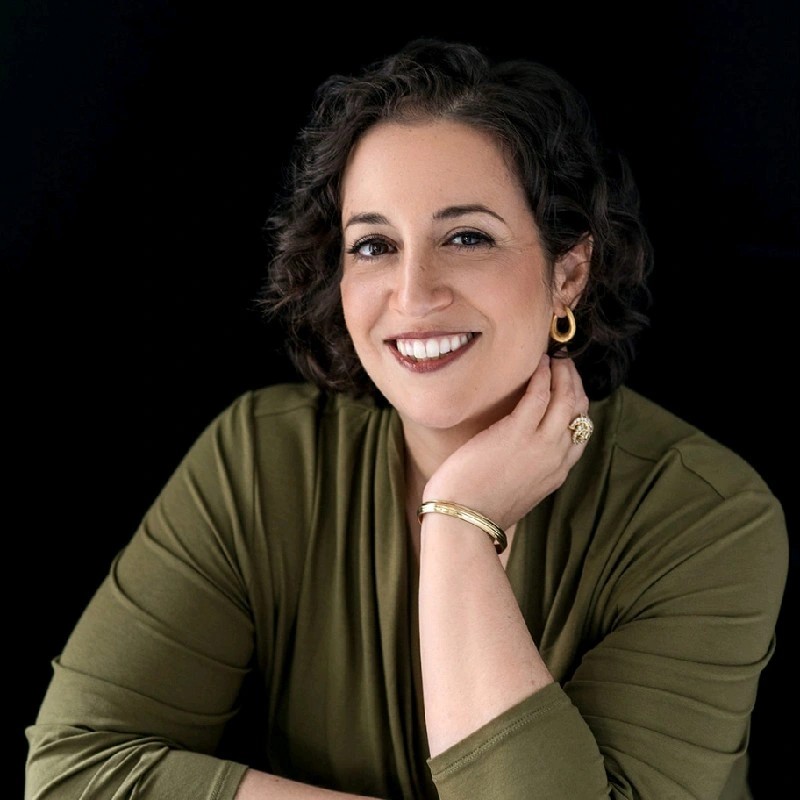
Sarah Saadian joined National Council of Nonprofits as Senior Vice President, Public Policy and Campaigns after serving as Senior Vice President of Public Policy and Field Organizing for the National Low Income Housing Coalition. Sarah has more than fifteen years of experience with national campaigns and successfully advancing federal policies on Capitol Hill. She graduated from the University of Connecticut School of Law after receiving her bachelor’s degree from the University of Virginia, and is a member of the Virginia State Bar.
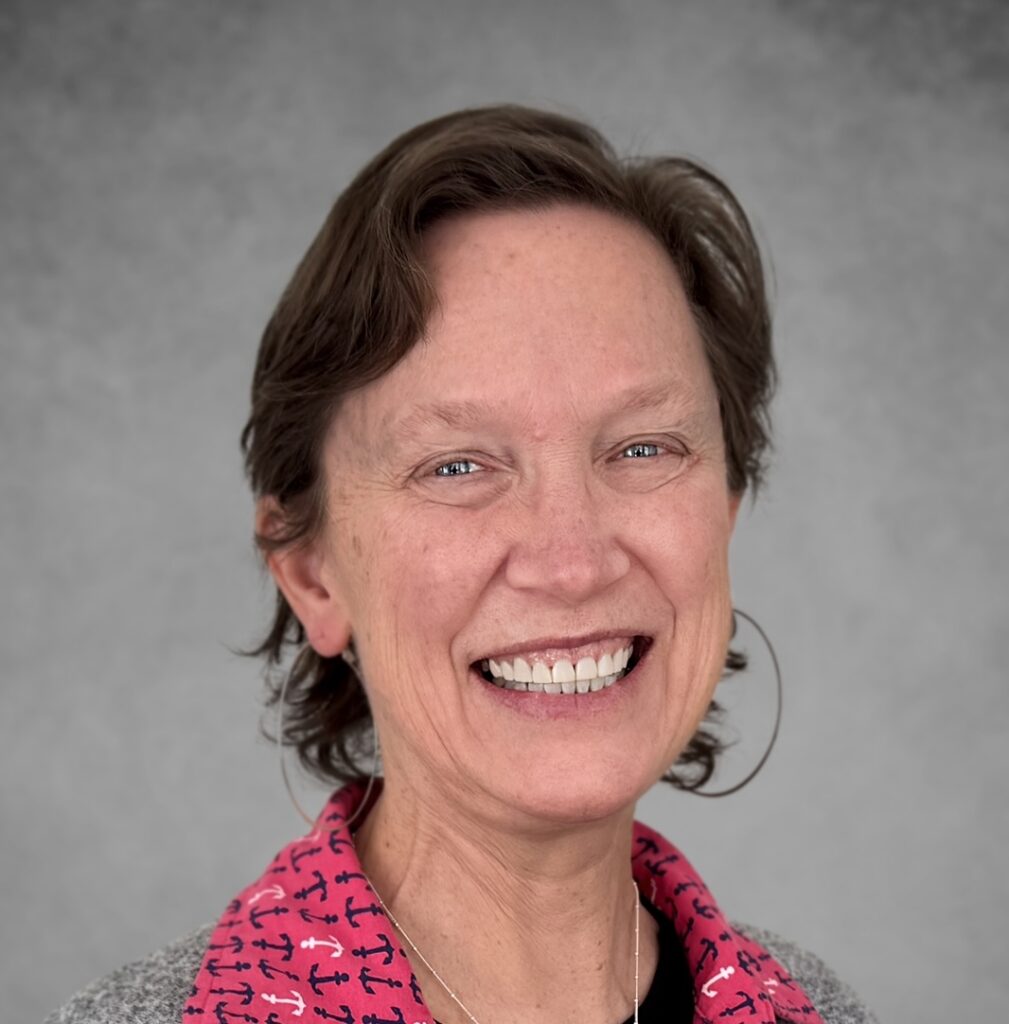
Carolyn Woodard is currently head of Marketing and Outreach at Community IT Innovators. She has served many roles at Community IT, from client to project manager to marketing. With over twenty years of experience in the nonprofit world, including as a nonprofit technology project manager and Director of IT at both large and small organizations, Carolyn knows the frustrations and delights of working with technology professionals, accidental techies, executives, and staff to deliver your organization’s mission and keep your IT infrastructure operating. She has a master’s degree in Nonprofit Management from Johns Hopkins University and received her undergraduate degree in English Literature from Williams College.
She was glad to have this conversation with Sarah Saadian about the National Council of Nonprofits’ Fundraising Platforms Pledge.
Ready to get strategic about your IT?
Community IT has been serving nonprofits exclusively for twenty-five years. We offer Managed IT support services for nonprofits that want to outsource all or part of their IT support and hosted services. For a fixed monthly fee, we provide unlimited remote and on-site help desk support, proactive network management, and ongoing IT planning from a dedicated team of experts in nonprofit-focused IT. Our clients benefit from our IT Business Managers team who will work with you to plan your IT investments and technology roadmap if you don’t have an in-house IT Director.
Being 100% employee-owned is important to us and our clients. It is an important aspect of our culture as a business serving nonprofits exclusively for 25 years.
We constantly research and evaluate new technology to ensure that you get cutting-edge solutions that are tailored to your organization, using standard industry tech tools that don’t lock you into a single vendor or consultant. That’s even more important now in the age of AI. And we don’t treat any aspect of nonprofit IT as if it is too complicated for you to understand.
We think your IT vendor should be able to explain everything without jargon or lingo.
If you can’t understand your IT management strategy to your own satisfaction, keep asking your questions until you find an outsourced IT provider who will partner with you for well-managed IT.
More on our Managed Services here. More resources on Cybersecurity here.
If you’re ready to gain peace of mind about your IT support, let’s talk.
Transcript
Carolyn Woodard: Welcome everyone to the Community IT Innovators Technology Topics podcast. I’m Carolyn Woodard, your host, and today I’m really excited to talk with Sarah Saadian from the National Council of Nonprofits about some fundraising platform ethical standards that they have developed. So, Sarah, would you like to introduce yourself?
Sarah Saadian: Yeah, it’s so nice to be here. My name is Sarah Saadian. I’m the Senior Vice President of Public Policy at the National Council of Nonprofits. And for those of you who might not know our organization, we are the largest network of nonprofits in North America. We work primarily through our state and regional associations of nonprofits. And together, that’s a network of about 40,000 organizations across the country. And our members look like the nonprofit sector as a whole. So they are locally focused, service-oriented, locally accountable organizations that are working every day to provide essential services in their communities. Everything from food banks to after-school programs to helping people after disasters. Nonprofits are there to help their communities thrive.
Carolyn Woodard: I love it. That was just so well said. Community IT is an MSP and we work exclusively with nonprofits, providing technology support so nonprofits can achieve their missions. So it’s so wonderful that there is an organization like the Council out there that can help with lessons learned and connecting nonprofits and speaking up for nonprofits.
Unauthorized Fundraising Pages: What Happened With GoFundMe
Carolyn Woodard: So I wanted you on today to talk about the principles, I think there’s four, that you published around fundraising platforms. And I just found this so interesting, that we need principles and that people can sign this pledge.
Can you talk a little bit more about where this idea came from? Why was it necessary, and how does it work?
Sarah Saadian: Yeah, thanks. Thanks for having me on. I’m really glad that we get a chance to talk about this.
So every year, millions of Americans are donating through online fundraising platforms to the charities that they want to support. And the issue is that some of these platforms are operating in a way that is ultimately harmful for the very nonprofits that they’re seeking to help. Either they are operating without the consent of the nonprofit, or they’re operating in ways that are counter to state and local laws, and sometimes in ways that are harmful to donors. And when you take that all together, it really undermines the important fundamental relationship between donors and charitable causes.
And this all came to a head last October when GoFundMe created nonprofit fundraising pages for 1.4 million nonprofits, so every single nonprofit in America, without their consent. And there was enormous uproar from our members and from nonprofits across the country. We heard really clearly from nonprofits that they have to have the power and agency to decide for themselves about whether they want to engage with these online fundraising platforms. And to their credit, GoFundMe removed those pages after we weighed in and other organizations weighed in.
But it uncovered a bigger problem than just with one platform. There are hundreds of online fundraising platforms that are operating today. And with the rise of AI, many more are coming online all the time. And it points to the need to have a set of principles for how these platforms are operating that both allow platforms to continue their important work of raising resources for nonprofits, but it also respects the role of nonprofits and the role of donors in that equation.
So we published this summer a set of principles for how we think platforms can operate ethically. And it focuses on four principles: nonprofit consent, transparency, partnership, and accountability. And we think if platforms operate with those four principles in mind, they can do a better job of both supporting nonprofits and donors while raising really significant, important resources for the community.
The Four Principles: Consent, Transparency, Partnership, and Accountability
Carolyn Woodard: Do you want to go through them, each principle, and talk a little bit more about why they’re so important? Because I imagine that GoFundMe, I remember the articles about it at the time, they thought this would be helpful. I guess they didn’t have any nonprofits in the room when they were making this decision. So it was kind of a “not about us without us” situation. It wasn’t a nefarious instinct on their part, but it was just so tone-deaf and out of step with how nonprofits actually operate and what donors need to know to be able to donate to nonprofits.
So can you talk a little bit through the different principles?
Sarah Saadian: Yeah, absolutely. And I think you’re absolutely right. A lot of these platforms are coming to the table with good intentions about wanting to serve the community.
But to your point, you have to have nonprofits at the table in order to really understand what they want and need and how do we best serve them.
So I can go through the four principles.
I’d say that the first one, nonprofit consent, is really essential to what we’re trying to achieve here. And for that, we believe that nonprofits have to have the power and agency to decide for themselves about whether and when they want to engage with an online fundraising platform before those platforms are soliciting or collecting donations on their behalf.
And this really comes down to appreciating that nonprofits have to be able to have the power and control over their name, their logos, their messaging, their branding. And that if third parties are able to use that information, it can really undermine the message that nonprofits are trying to put out into the world. And it can undermine the public’s trust in nonprofits if they see information that’s outdated or isn’t consistent with how the nonprofit is holding themselves out in the community. So we want to make sure that first and foremost, platforms are getting the consent of nonprofits before they use their name, likeness, image, branding, and materials and collect resources on their behalf.
The other principles are focused on the resources and the information that’s needed to maintain the public’s trust, maintain donors’ trust, and ensure that the relationship between platforms and nonprofits is one that’s centered around the value and equal partnership that folks are bringing to the table and that it’s not extractive.
So the second principle is around transparency and making sure that donors have the information they need to make educated decisions about whether they want to use an online fundraising platform to make their donation or if they want to make their donation elsewhere.
The third is around partnership and making sure that nonprofits are seen as equal valued partners in this relationship and not merely products that platforms are selling.
And then lastly, accountability, making sure that platforms are sharing information with the public, with donors, with regulators, so that we have a better sense of what this industry looks like and how it’s engaging in our communities.
Carolyn Woodard: How did you come up with the principles? You said it started last year. I know this has been building for a while. Can you talk a little bit about how you did that research and how these four principles came out to be the top ones you wanted to have in your pledge?
Sarah Saadian: Yeah, we had a really robust process where we wanted to hear from nonprofits across the country about their experiences with online fundraising platforms and what they wanted to see out of these principles.
So for about six months or so, maybe a little bit longer, starting at the beginning of 2026, we met regularly with state association leaders (leaders of state associations of nonprofits) who were hearing directly from and soliciting input from nonprofits in their states. And together we wrestled with some of these big questions. What does it mean for nonprofits to have consent? What are the trade-offs here? What are the values we’re trying to achieve? What’s the end goal? What’s the vision of what we want?
We also heard directly from nonprofits who were reaching out to us and wanting to find out more information. They had read about GoFundMe and they were maybe working through problems or finding new websites with information about their organizations. They were struggling to take their information off their websites.
So we took all of that information and we put together these principles in a really collaborative, inclusive way. And we’re really glad to see that we were able to get 52 state or regional associations of nonprofits to endorse these principles on day one.
And we’ve also had a number of platforms themselves that have endorsed these principles. So we were so glad to have the support of Every.org when we initially published. But since then, we have about a dozen online fundraising platforms who are looking at their own industry and are saying, we have to do things better, we have to do things in a way that is really prioritizing the consent of nonprofits. And so we’re so happy that we have their support as well.
And we’re asking nonprofits across the country to keep having these conversations with us. If there are things that are missing from our principles, we want to hear about it. If there are issues or concerns or other items that we need to be including, we want to know about it. And we’re also soliciting feedback from platforms themselves in this process too. We want to make sure that what we’re putting out there is workable and implementable, which we think it is.
But ultimately it’s going to take those platforms making changes internally to their processes if we’re going to be successful. So we’re really happy to have online fundraising platforms themselves leading the way and showing the rest of their colleagues what this could look like.
Carolyn Woodard: It’s such a great story to hear that 52 state organizations were able to endorse this and be involved in it, because that’s something that nonprofits, I think, feel so viscerally: that when it’s one nonprofit having a problem with one platform, it’s really hard to make any headway. But then once you have a collective, organized group, you’re part of a group that has some standing that can maybe negotiate better on behalf of more nonprofits than just one.
Why Nonprofit Consent Protects Donors Too
Carolyn Woodard: Was there anything surprising that came out of this research into the fundraising platforms? Anything that nobody knew, where you understood more about kind of how each side was seeing this, that was surprising?
Sarah Saadian: Yeah, I think what was most surprising to me is the more I dug into the consent issue, the more I realized that it impacts more than just nonprofits. So it’s pretty obvious why nonprofits are going to want to have consent be a central feature of these principles and how it benefits them.
But I did learn through the process of engaging with nonprofits across the country about why nonprofit consent is actually really important for donors as well. And we know that a lot of what we do is about engaging with and building trust with donors. And so you can imagine how important that is.
So for example, when platforms are operating without the consent of the nonprofit, it means that donors are more likely to see that their donation never reaches the organization that they want. Either because the platform doesn’t actually have a way of getting the money to the charity that the donor wanted to help, or because maybe the donation’s too small and the platform just decides it’s not worth the squeeze to cut the check to the organization that the donor wants to support. So they wait until they have maybe more resources for that intended nonprofit, or they just divert the money to a different nonprofit that they think is sort of similar to what the donor was intending.
And this really goes against, I think, some of the fundamental work that nonprofits do with donors and their communities to build that trust. And once a donor has a negative experience with an online fundraising platform, it’s very hard to pull them back in, in part because they are under the impression that these platforms are working with the consent of nonprofits. They don’t necessarily realize that these platforms are sort of acting rogue and going on their own. And so it can really undermine that important relationship between donors and nonprofits in the first place.
So it benefits everybody if platforms are operating with nonprofit consent: the platform, the nonprofit, and the donor. I hadn’t really thought about it from that lens. But the more I hear stories about donors and what their expectations are and how what they wanted to happen didn’t happen, the more I understand that this is really important for donors too.
Carolyn Woodard: No kidding, because you think about as a donor, you have that sense of… I don’t know if it’s fear, but even if you’re giving to the nonprofit that you’re sure that you’re giving to, did they use that for the thing that you gave it for? If you want to save the whales, did they use it to save some gorillas instead? That’s something that nonprofits take very seriously. So helping the online platform see how important that is as well sounds so important.
And I was trying to think of… nonprofits are this kind of odd sector that people who work in nonprofits know a lot about, and then for people who don’t, it’s maybe a little bit difficult to understand. I was trying to think of a similar situation where GoFundMe would just raise money using someone’s likeness and not have their consent, for an individual, for example. But then I was thinking, that does happen, where someone shows up and says, oh, we raised money for you to fix your house after your fire, and you were so busy we didn’t even tell you. So you can see how there’s this gray area of the recipient trying to do something good for someone and not fully realizing and being cognizant of how important it is for that person to be involved. Because even in that situation, maybe they want to move. They don’t want you to fix their house.
So if you don’t have the consent of the person that you’re trying to help, you could be going down the wrong path entirely.
Sarah Saadian: Yeah. And I think there are other examples. The question is, why do we treat nonprofits differently than any other business?
And there are some really key examples of how this question has already played out, has already been resolved in other spaces. So for example, during the pandemic, there was a lot of concern among restaurants and the public too. The public wanted to keep restaurants open, and it was very challenging for restaurants at the time because they couldn’t have people in person, and so there were a lot of takeout orders. There was this whole movement to start ordering through DoorDash and Uber Eats to help keep restaurants afloat. But restaurants were really concerned about being listed on those platforms without their consent because they wanted to make sure that the quality of the food they were putting out was high. They wanted to make sure people were getting the best experience they could get.
Carolyn Woodard: Even just open hours. If they’re not open, you can’t order from them.
Sarah Saadian: Absolutely. Or if the platforms list the wrong menu and somebody wants to order a dish, but it’s actually not being offered by the restaurant, and then they have a bad experience and they don’t want to return to the restaurant. They’re all of the same interactions, all the same consequences that nonprofits have, but in the restaurant space.
And we saw the National Restaurant Association reach an agreement with those platforms that agreed that they will only list restaurants who’ve consented to being on the platforms.
And we saw the same thing with hotels. Hotels reached an agreement with Expedia and other booking platforms that they would only list hotels if the hotels wanted to be on their platforms.
And so nonprofits have to have the same protections as those businesses. Nonprofits aren’t different in that way. We might be different in terms of our mission and the work that we do in communities, but at the end of the day, we have to have control over how we show up in our community, how we’re engaging with the public, because we rely so much on that public trust.
What Nonprofits and Donors Can Do About Unauthorized Pages
Carolyn Woodard: Exactly. So I guess I have a question. If you are a nonprofit listening to this podcast and you want to learn more about this program and how the pledge works and whether maybe the platform that you’re using has signed the pledge, what should nonprofits do to learn more about this and maybe investigate their own platform?
Sarah Saadian: Well, the first place you can start is coming to the National Council of Nonprofits website and looking for our principles. And you can read more about the issues that nonprofits have had, see if that resonates with them, if that’s something that they’re seeing as well.
And they can use our website to sign on to endorse our principles. And we’d love to encourage everyone to do that.
But you get to a really fascinating problem here, which is that we don’t know of all the platforms that exist that are raising money for nonprofits because there are literally hundreds of them. And with AI, new websites can be set up almost overnight, with data scraping and with other resources. Anybody really can start one of these online fundraising platforms, including folks that might not have the best intentions about serving the nonprofit sector.
And so it’s almost impossible for nonprofits to keep track of and to make sure that they’re being represented well on hundreds and hundreds of websites. You can imagine if you’re running a local food bank and you have 15 employees, you’re trying to make every dollar stretch as much as possible, you’re doing outreach to your community, you don’t have the staff capacity to put somebody in charge of monitoring online to see what new platforms have been created and what your engagement is, and to go through the whole rigmarole of trying to take your organization off of those websites, which can be pretty difficult to do.
So it points to the larger problem that we can’t put the burden on nonprofits to opt out of these websites. It’s just not workable. The only way that this works for nonprofits is if they have control over deciding whether and how they want to engage with platforms, which ones they want to engage with, which ones they don’t, rather than burdening scrappy nonprofits who are trying to make the most out of their staff and their resources.
What About Scams?
Carolyn Woodard: I didn’t even ask you about scams, because I imagine that is a huge other side of this coin. As you said, nefarious places that will just put up, oh, you can donate, and then it goes directly into their bank account and never gets to the nonprofit. And as you said, that is something that it’s so hard for the nonprofit to guard against.
So is there legislation to help? Is that illegal? I mean, it’s illegal to scam someone out of their money, but as we know, some of those scams are almost never prosecuted because you can’t find the people who are doing them.
Sarah Saadian: Well, we’ve started to see some action at the state level to hold bad actors accountable. There is a case against Flipcause, which is an online fundraising platform that never paid out the resources that they raised for nonprofits. That’s sort of a worst-case scenario.
But we’re also seeing state AGs who are starting to take a look into this sector and to see how these actions are lining up with either state charitable solicitation laws or state consumer protection laws.
And I think you’re right, we are seeing scams that harm both donors and nonprofits. We’ve heard of cases where somebody who is not authorized with the nonprofit is starting web pages and raising money on behalf of the nonprofit, and that money might never reach the nonprofit. Or we’re seeing these sorts of websites, like you say, where donors might question: is this legitimate? Is this real? So it’s an issue that’s really important.
I think the important thing to know is that we strongly believe that existing laws can take care of this problem. So for example, we know that you can’t deceive consumers under state consumer protection laws. So you can’t mislead them into thinking that there’s a relationship with the nonprofit, or charge hidden fees or default tips that are really excessively high. That’s already counter to many state laws. And we think that state charitable solicitation laws make it really clear that you have to get consent from the nonprofit.
So what we’re really trying to do in this moment is encourage state AGs to look at their existing authorities and to take action based on those existing powers that they already have.
How Donors Can Check Where the Donation Is Going
Carolyn Woodard: So it sounds like if you’re a donor, even a small donor, like many of us are, do you have principles for donors to do their best to verify that where they’re giving is to that actual nonprofit?
Sarah Saadian: Yeah, we recommend going to the nonprofit’s website, seeing if they have a way for you to make a donation directly on their website, or checking in with them about what they prefer. Some might prefer you to write a check and put it in the mail for them. Some might have a way on their website, and some might choose to work with online fundraising platforms, but they’ve chosen the one that maybe has the best terms and conditions for them, whose business model matches their values.
So it’s always best for a donor to check in with the charity that they want to support to see what’s best for them.
Carolyn Woodard: That makes so much sense. Such good advice.
Closing Thoughts on Unauthorized Nonprofit Fundraising Pages After GoFundMe
Well, do you have any closing thoughts for us on this conundrum? It’s really taking advantage of people wanting to donate and trying to help. How do we return that agency to the nonprofits themselves?
Sarah Saadian: Yeah, absolutely. I think if I could leave one message with your listeners, it’s that I want to invite them to be a part of this movement that is calling on platforms to operate ethically, to make it clear that they respect nonprofit consent and transparency, partnership, and accountability.
And your listeners can be a part of that movement by coming to the National Council of Nonprofits website, checking out our principles, reading about them in more detail, and if it sounds good to them, endorsing them so they can be part of this broader movement to reclaim this power for nonprofits.
Carolyn Woodard: I love it. I will include the links in the show notes so that people can just click right through and see; your website is full of great information about this project, the issue, the principles.
So thank you, Sarah, so much for coming on today. I really appreciate you taking the time to help us get educated about the online fundraising issues that are going on right now. And just thank you so much.
Sarah Saadian: My pleasure. Thanks for having me.
As advocates for using technology to work smarter, we’re practicing what we recommend. This transcript was drafted with the assistance of AI, and is not a verbatim transcript. The content was edited for clarity, and was reviewed, edited, and finalized by a human editor to ensure accuracy and relevance.